Some Facts About Vietnam’s Economy

September 1st, 2010 Posted in Global Economy | No Comments »

Some Facts About Vietnam's Economy Vietnam: A Changing Country

When many people think about Vietnam, the one thing they think about is the Vietnam War. However, this country is much more than that and it has changed from that dark chapter in its past. Now, it is a very popular tourist destination and a place many Americans now go for a visit.

Vietnam is the eastern-most country on the Indochina Peninsula, located in Southeast Asia. It shares a border with China, Laos and Cambodia and it ranks as the 13th most populous country in the world with 86 million people. Vietnam was once part of China, but it fought for its independence and won it in 938. From that point on, various rulers controlled the country for almost 1,000 years before the French moved in and colonized it. They were pushed out in the mid-20th century, which eventually led to the Vietnam War, which the North Vietnam won in 1975, effectively unifying the country. Rather than fade away like North Korea, Vietnam instituted economic and political reforms and by 2000 it had opened up diplomatic relations with nearly all the countries on Earth. The hard work of the people of Vietnam and the government helped the country have one of the highest economic growth paces in the world, which allowed the country to join the World Trade Organization in 2007.

In terms of land size, Vietnam is larger than Italy and is nearly the size of Germany, which is something many people do not realize. The country has a varied landscape as well. There are many hills and forested mountains in the country. Only 20 percent of the country is actually considered to be flat land, while mountains make up 40 percent. Small hills make up another 40 percent. In that, 42 percent of the country is covered by tropical forest. Most of the mountains and highlands are in the north, while the south has lowlands and a view mountains. During the winter, which runs from November to April, monsoon winds hit the country and create a large amount of moisture falling in the country, which can cause severe flooding.

Going back to the economy of Vietnam, it has grown immensely after putting in economic reforms in the mid-1980s, even though the country is effectively communist. From 1990 to 1997, the country had about an eight percent annual growth in its GDP, and from 2005 it was seven percent, making it one of the fastest growing economies on the planet. During this same period of time, foreign investment in the country grew three-fold, and the domestic savings of the country grew four-times. Vietnam is investing heavily in information technology, making it a world leader and the country also has many oil reserves, something foreigners do not even realize. In fact, Vietnam is the third-largest oil producer in Southeast Asia, outputting 400,000 barrels a day. Vietnam is also a very open economy, trading and importing heavily. Two-way trade for the country amounts to 160 percent of its GDP, which is four times that of India and twice that of China. All of this has helped Vietnam lower the level of extreme poverty in the country significantly. Currently, Vietnam has a lower level of extreme poverty than India, China and the Philippines.

It is estimated that by 2025, Vietnam will have the 17th largest economy on the planet and by 2050, the country will be 70 percent the size of the United Kingdom economy. Vietnam is also the largest producer of black pepper and cashew nuts in the world, representing one-third of the global share of both of those products. They are the second largest producer of rice, and they export other products like fish, rubber, tea and coffee. All of this has helped lower the unemployment rate in Vietnam to only 2.9 percent, which is below the level of many industrialized nations.

Over the past few years, Vietnam has begun to rise up in the rankings of world countries. Here is a quick rundown of how it compares to other countries:

    Vietnam ranks 39 out of 144 countries on the Global Peace Index.

    Vietnam ranks 142 out of 157 countries on the Index of Economic Freedom.

    Vietnam ranks 61 out of 111 countries on the Worldwide Quality of Life Index.

    Vietnam ranks 155 out of 167 countries on the Worldwide Press Freedom Index.

    Vietnam ranks 111 out of 163 countries on the Corruptions Perceptions Index.

    Vietnam ranks 109 out of 177 countries on the Human Development Index.

    Vietnam ranks 77 out of 125 countries on the Global Competitiveness Index.

As can be seen, some areas need to be improved but Vietnam has grown immensely on the world stage since the dark days of the Vietnam War.

Vietnam also has to improve its human rights record. In a 2004 report of Human Rights Practices, Vietnam’s record was rated as poor with a history of serious abuses. The government of the country has restrictions on freedom of the press, freedom of speech, freedom of assembly and freedom of association.

This is beginning to improve though and Vietnam is considered to be a friend and reliable partner of all countries within the international community and often takes part in international cooperation measures. Vietnam is a member of 63 international organizations including the WTO, La Francophonie, NAM, ASEAN and the United Nations. In addition the country is part of 650 non-governmental organizations.

Vietnam is not a perfect country, but it is an improving country. It is growing fast and in the 21st century it will become a world leader, helping to influence how the world progresses into the 22nd century based on its economic power that just continues to grow. If you are thinking of visiting Vietnam, then you are in for a treat. The people of the country are friendly, the weather is warm, the landscape is beautiful and the culture is rich and steeped heavily in history. It is certainly a country on the move and one that you should keep an eye on moving into the future.

More A Dawn Articles:

Real Estate In Varna

Fez: The Soul of Morocco

Some Facts About Brazil’s Economy

How To Know Your Business Will Be A Success

Make Money Online – Roadmap of A Dot Com Mogul

A Dawn Journal August 2008 Archive

The End of Canada’s Personal Financial Website
ADJ Interviews International Best Selling Author Ernie Zelinski
Early 2008 Tax Tips
Recent Global Financial Meltdown
Path Leading to Suspension Bridge
August 2008 Monthly Highlights
Scam Alert – Beware of This Canada Revenue Agency Letter
Fern Cave
Scammers Are Personalizing Emails
Canada Ranks High
  • Share/Bookmark
'
    '

    Make Money Online – Roadmap of A Dot Com Mogul

    August 28th, 2010 Posted in Book Reviews | No Comments »

    Make Money Online Roadmap of a Dot Com Mogul Make Money Online – A Dawn Journal Book Review

    Ten Characteristics of Entrepreneurs

    How John Chow Used Google Ban To Flourish His Brand Name And Dot Com Lifestyle

    Prelude

    I received a signed copy of this book in the mail from John Chow sometime in May. However, it took me a while to finish reading it due to living a part-time dot com lifestyle on the weekend only along with a full-time 9-5 lifestyle. Today, I am writing this review on my new Acer 13.3 Aspire Timeline laptop in a Tim Horton at Danforth Ave. and Birchmount Rd. in Toronto, Canada.

    What Is This Book About?

    This is John Chow’s first book to give readers his lifetime insight on how to make money online in simple, plain English. This book is somewhat targeted to those who are novices in the world of online money making and entrepreneurship.

    Dad’s Review of Make Money Online in Two Sentences

    My dad, who is close to 80, is just learning how to use the Internet and opened his first email account last week. He finished reading Make Money Online within days of receiving it and gave me his super-short review in two sentences:

    • John talks very honest and candidly without holding anything back in this book.
    • Content is very important.

    Do you think anyone else can do a better review than this?

    Critical Characteristic You Need to Succeed: Passion

    In the first 20 pages, John talks about how he got into blogging, the dot com crash of 2001, how Google rescued Internet entrepreneurship, and so on. Then, he talks about three critical elements you should have even before you start your online venture. These three essential elements are: Being passionate on your subject, having your own domain name, and keep updating often. Passion is the most important element which comes before anything else. The reason is, regardless of how serious you are on everything else, if you are not in love with your subject, you will give up one day.

    Essential Blogging Tips

    John provides ten essential blogging tips in chapter four. If you willing to achieve online success, you should embrace and follow these time-tested tips vigorously. I am going mention here the first five tips only:

    • Be Personal
    • Write for readers, not for the search engines
    • Know your readers
    • Never rush your posts
    • Go with the flow

    Content Is King

    One full chapter is dedicated to content. In this chapter, you will find what is considered quality content and what is not. If you are reading this book review at this very moment, you are reading it because of its content, not for anything else. The whole world is looking for information online, i.e. content, and this hunger for content will only grow in the future. Follow John’s tips on content and you will be able to turn your no-traffic website into a high-traffic website, no doubt.

    Some Important Highlights from Make Money Online

    Here are some some important highlights I must mention before giving you my conclusion:
    - Blog on something you are passionate about. If you just blog for money (not being passionate on the subject), you will fail.
    - Never stop learning. Be willing to take risks and try new things.
    - Do not wait for things to happen someday. You need to have goals and a plan of action with timelines to realize your goals. Dreamers will always keep dreaming and will never realize their dreams because they do not have any solid action plans with a timeline.
    - You need to be different to be successful. Readers have options to read other content on the same subject. Why would they read your content if you are not different and unique?
    - Branding is very important. Strong branding already gives you a boost to become different, now concentrate on generating unique content.

    What I Don’t Like

    Considering that Make Money Online a book to help novice Internet entrepreneurs to make money online, its simple, easy-to-follow teachings and techniques flow throughout the book smoothly – except in chapter five – Wordpress basics and chapter six – Wordpress techniques and tools, where I got the feeling that it’s getting a little techi for regular readers and you need to have technical literacy to comprehend some of the stuff discussed.

    What I Like

    It’s simple and plain language and John’s candid-conversation-style writing. Readers will have this feeling (just after reading first few pages and as my dad mentioned) that everything that said here is coming from a person of authority on online money making and he is not withholding any information. His sole purpose of this book is to shed some light on the world of online money making and help those who are willing to give it a try.

    My Take

    If you are a regular A Dawn Journal reader, you know that I go by three simple and straightforward ratings for my book review: A Must Read, Worth Reading, and Do Not Read. For Make Money Online, I am assigning “A Must Read.” Even if you are not looking into Internet Entrepreneurship, you should still read this book as it takes you inside the mind of a great entrepreneur who showed us how to succeed with determination, courage, and hard work in the face of severe uncertainty. It will inspire you in your daily living.

    Click Here To Buy This Book On Amazon Canada

    More A Dawn Articles:

    Entrepreneur Journey

    What Is A Dot Com Lifestyle?

    How To Come Up With Great Domain Names

    Keep Your Dot Com Lifestyle Simple and Uncomplicated

    Personal Finance Guide for Kids Age-by-Age

    Ocean View Villas around the world

    Some Facts About Brazil’s Economy

    • Share/Bookmark

    Personal Finance Guide for Kids Age-by-Age

    August 22nd, 2010 Posted in Personal Finance For Kids | No Comments »

    Teaching Children about Money Goals by Age Teaching Children about Money: Goals by Age

    Did you know anything about personal finance when you were a kid? I did not, and I hadn’t the slightest idea of how money and finances worked at that time. I wish things were different then. I wish I was taught to prepare myself to face the real world financially. It’s not just me; most of us were not given any money lessons at an early age and at schools and universities. It is time to take lessons from our past. As parents, our goals should be to financially prepare our kids to face the money challenges that exist in the present world. Today, I will present a simple age-by-age personal finance guide for kids. To make things simple, I have broken down the learning time frame into 4 different parts: age 1 to 5, 5 to 10, 10 to 15, and 15 and beyond.

    Personal Finance Guide For Kids: Age Up To 5

    Kids start to show interest in money and coins at an early age. During this time frame, start teaching kids the basic concepts of money. Here are some ideas:

    clip_image001 Introduce them to various coins and bills.

    clip_image001[1] Teach them how different coins and bills add up to a greater bills and coins. For example, 5 pennies make a nickel, 5 Loonies (1 dollar coin) make a 5 dollar bill and so on.

    clip_image001[2] Explain how money and society work. Money is something that we exchange to buy various products and services to take care of ourselves.

    clip_image001[3] Teach where money comes from. We go to work to earn money and this makes us sacrifice our time at home with family.

    clip_image001[4] Buy them a piggy bank and encourage them to save money by putting money in it whenever they have some in their hands.

    Personal Finance Guide for Kids: Age 5 to 10

    clip_image001[5] Explain that money is not endless. We need to make choices between products or toys; we can’t have it all, as money is not endless. If your kids ask for many things at a time, an exercise you can do is to give them an amount, such as $5 or $10, and tell them to pick the one they think would be the best.

    clip_image001[6] Tell them we need money to buy food and take care of ourselves. We can’t spend all money as soon as we get it because if we do that, we will be in trouble in the future and won’t have anything to take care of ourselves.

    clip_image001[7] Involve kids in family planning and finances. Ask your kids to participate actively in family meetings regarding future planning and money issues. For example, if you are going on a vacation, ask your kids to research the best deals within your budget or ask everyone, including the kids, for their suggestions on fulfilling goals of making major purchases and so on.

    clip_image001[8] Do not give kids allowance without proper guidance. Help them to budget their allowances, especially a certain percentage (15 to 20%) going to their savings accounts.

    clip_image001[9] Teach them how to pay for a purchase and how to count the change they are getting back from the cashier.

    clip_image001[10] Teach kids the power of giving. Tell them that we are fortunate to live in one of the wealthiest countries on earth and not everyone is as fortunate as we are. Explain to them that we can live a more meaningful and joyous life by sharing and giving what we have to those who are less fortunate.

    clip_image001[11] Explain how a bank works, what a credit card is and why it charges interest. 

    clip_image001[12] Explain to them what a budget is and why it is important to stay within a budget. However, do not over-emphasize the budget at this time.

    Personal Finance Guide for Kids: Age 10 to 15

    clip_image001[13] It is time to put some concepts you taught your kids in the previous age segment into practice at this time.

    clip_image001[14] Set up a real savings account at the bank. Teach your kids how to handle bank accounts. Teach them about credit cards and how they work. You can also set up a credit card for them with a lower limit. Here is an article to deal with credit cards for kids: Should We Give Credit Cards to Kids?

    clip_image001[15] Help your kids with setting goals. Explain to them how to set up goals and show them how to reach goals by making plans. For example, if they want to buy a bicycle or a gadget, instead of financing the full cost ask them to finance half from their savings by setting up goals to save that much.

    clip_image001[16] Kids should pay for their expenses such as movie tickets, cell phone bills, snacks, etc. themselves. The reason? Using their allowances to pay for stuff they need will make them realize that money is limited and if they waste money on something, they won’t have money to buy other things.

    clip_image001[17] Ask them to exercise the power of giving. Even from their small allowance, they can donate to charities and to those who are less fortunate.

    clip_image001[18] Kids should budget for their expenses at this point and should spend less than their earnings or allowances.

    clip_image001[19] Kids should not be paid for doing regular household chores. However, you can pay them for special projects which are outside regular chores such as such mowing the lawn, cleaning the backyard, and so on.

    Personal Finance Guide for Kids: Age 15 and Beyond

    clip_image001[20] This is the most critical time of kids’ lives as they are on the verge of stepping a foot into the real world. Personal finance education should follow a slightly different path at this stage.

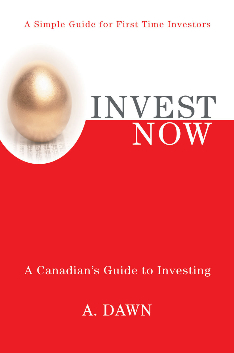
    clip_image001[21] Start talking about more targeted personal finance teachings starting this point. Some of the examples are: Investing 101, debt management, credit cards, how financial markets and products work (Invest Now by A. Dawn is a recommended book to learn the basics of financial markets and products), and so on.

    clip_image001[22] Some of the resources you can use for your kids can be found right here, written by your favourite personal finance author A. Dawn. The Personal Finance For Kids Section is just one to mention among a few of them here. There are tons more articles suitable for kids available for free on A Dawn Journal. Take your time to read them to enhance your knowledge on personal finance at your leisure by bookmarking this page.

    clip_image001[23] Just because your kids have reached this age does not mean that you should stop talking about finances. Kids at this age need more financial advice and guidance than ever before. Have open discussions about money and finances whenever opportunity exists.

    I have taken my time to write this article suitable “in general” for all kids. These guidelines or tips are not set in stone. It is recommended that, based your kids’ ability or interest, you may need to switch around these tips. For example, if you find your 7-year-old seems to be very interested in learning about finances, try using some tips from the 10 to 15 age group and observe how she reacts. It is the parents’ responsibility to secure their kids’ financial future by guiding them through a solid financial roadmap from their early days.

    More A Dawn Articles:

    Personal Finance For Kids Achieve

    Ocean View Villas around the world

    Saving For Your Retirement

    What Age Should You Retire?

    Some Facts About Brazil’s Economy

    A Dawn Journal August 2008 Archive

    A Tubewell in Toronto, Canada
    Scenic Caves Suspension Footbridge
    The Joy of Not Working – A. Dawn Journal Book Review
    How To Protect Your Family From Listeria Food Poisoning
    CI Financial, Scotia Bank, and Sun Life
    Scenic Caves Entrance Area
    Scenic Caves, Suspension Footbridge, GPS, And A Haven From The Hustle and Bustle
    Meet John Chow and Yaro Starak
    The Joy of Not Working
    Wasaga Beach – Part 1
    The Blue Mountain
    Georgian Bay, The Blue Mountains, Collingwood, and Wasaga Beach
    Freakonomics – A. Dawn Journal Book Review
    33 Million Cool Dollars to Compete with Google
    A Specialized Fish Shop at the St lawrence Market
    How to ride out market volatility
    July 2008 Monthly Highlights
    Look What This Canadian Black Squirrel Is Doing!
    • Share/Bookmark

    Some Facts About Brazil’s Economy

    August 19th, 2010 Posted in Global Economy | 1 Comment »

    Some Facts About Brazil's Economy The Growing Power of Brazil

    Brazil is a very interesting country with a very bright future if many economists are to be believed. Brazil, while considered a developing country in the past, is now one of the most important economies on Earth.

    Brazil has the eighth largest economy in the world in terms of nominal GDP, and it ranks ninth in terms of purchasing power parity. Among all of the South American nations, it has the largest economy, and it has one of the fastest growing economies on Earth, with a GDP growth rate of five percent. Naturally, many are predicting that within a few decades, Brazil will have one of the five largest economies on the planet.

    In 2009, Brazil was the top country in terms of upwards evolution of competitiveness. It gained eight positions, and passed Russia for the first time in history. Brazil is also beginning to close the gap with India and China.

    Much of Brazil’s fast growth is as a result of the changes made to the economy in the 1990s, which focused on fiscal sustainability and the opening of the economy, helping to boost how competitive the economy is in the world. Brazil, as a result, now has a much better environment for private-sector development.

    Brazil’s economy is in a wide amount of sectors. The country builds submarines and aircraft, as well as smaller-end technologies. In addition, Brazil was the only country in the entire Southern Hemisphere to help in the construction of the International Space Station.

    Exports within the country amount to $158.9 billion. The biggest export for the economy of Brazil is transport equipment, iron ore, soybeans, footwear, coffee, automobiles and their parts, and machinery. The main countries that Brazil exports to are the United States (14 percent), Argentina (8.9 percent), China (8.3 percent), Netherlands (5.3 percent), Germany (4.5 percent) and Japan (3.1 percent)

    Brazil imported $136 billion in goods in 2009, with their main imports being machinery, electric and transport equipment, oil, chemical products, automotive parts and electronics. The largest importers into the country are the United States (14.9 percent), China (11 percent), Argentina (7.7 percent), Germany (6.9 percent), Japan (3.9 percent), Nigeria (3.9 percent) and South Korea (3.1 percent).

    Brazil, while greatly improving its economy, still has some work to do. The country still has a great deal of poverty, and low wages, along with environmental problems. However, as the country continues to move into the future, it is certain that it will become a leader on Earth in many sectors. Brazil already leads the world in the use of ethanol gas, with a large percentage of its vehicles running on ethanol. In the coming decades, most economists believe that the United States will fade in economic power, while Brazil, China, India and the European Union will grow in economic power to become the economic centers of the world. For many looking for countries to invest in, Brazil is a place that cannot go wrong for the time being, even weathering the worldwide recession quite easily.

    More A Dawn Articles:

    Real Estate In Sofia

    How to set realistic goals

    How To Increase Self-Esteem

    Saving For Your Retirement

    What Age Should You Retire?

    How To Green Back-To-School

    Canada’s Economic Growth Slows

    How To Know Your Business Will Be A Success

    A Dawn Journal July 2008 Archive

    How Google Determines the Order of Search Results
    A Moment for “The Dark Knight”: EPIC film that goes beyond comics
    Forever Young Books, Freakonomics, and a Paperback Version in Europe
    A Specialized Meat Shop at the St lawrence Market
    The Day I Knew Invest Now Changed Someone’s Life
    CSS, Amazon, Chapters.Indigo, And My Next Post
    10 Free Canadian Personal Finance Tools
    A Cut Above The Rest
    How To Avoid ATM Fees
    June 2008 Monthly Highlights
    • Share/Bookmark

    What Age Should You Retire?

    August 14th, 2010 Posted in Retirement | No Comments »

    What Age Should You Retire Are You Ready to Retire?

    Everyone knows that the general retirement age is 65, which is when people feel they will retire. However, for some retiring at the age of 65 is too late, while retiring at that age is just too early. So, how do you know when the best year of your life is to retire? It is a tricky balance. You want retire in time so that you can enjoy your remaining years because no one wants to retire at 85. However, you also want to make sure that when you do retire, you have the money to enjoy yourself. You can’t live on $10,000 a year if that is all you have to sustain you for the next 20 years if you retire at 65.


    When looking at if you are psychologically ready to retire, see if any of these match what you feel:

    1. You find that work interferes with the things that you want to do with your life.
    2. You want more freedom with your life.
    3. You want to retire when you can still enjoy your retirement and still have your health.
    4. You are prepared to lower your costs in order to save more in your retirement.
    5. You are not fulfilled or happy in your job anymore.
    6. You have plans and goals you want to fulfill with your extra time.

    The next thing you need to do is look at whether or not you are ready to retire financially. This can be harder to determine because there are so many variables. Do the following to determine if you are ready to retire:

    1. Look at how much you pay out for expenses now, and determine what you can cut back on. Then, look at your expenses at that point and how much money you need to live on for the next 30 years.
    2. Look at how much you have in your savings and retirement fund and divide it by 30. If it gives you enough to live on, you may be ready to retire.
    3. Determine how much money you have in spare in case of disaster. As you get older, medical costs can come up and that will cause severe problems with your finances.
    4. When you retire at 65, you should have enough money to last you for at least 25 years living just on pensions, retirement income and retirement savings. It is important to remember though that if you retire at 55, you need to have 35 years of savings and retirement income at your disposal. The sooner you retire, the more money you need to live off of because there are more years before you reach the end of your life, statistically speaking.

    If you match these criteria, and you are ready for retirement, then you should seriously look at retiring. Retirement is something that you will look forward to, but if you retire too late, or too early, you will not be able to enjoy it as you would want to.

    More A Dawn Articles:

    Saving For Your Retirement

    How To Protect Yourself From Identity Theft

    Tips for Saving For Retirement in Your Later Years

    A Dawn Journal June 2008 Archive

    Rogers’ iPhone Rates Contradict Good Personal Finance Etiquette
    St Lawrence Market, Toronto, Canada
    Beta And Standard Deviation
    13 Free Canadian Personal Finance eBooks
    Saying Goodbye To MS Word And Excel
    St Lawrence Market, Toronto, Canada
    Invest Now Hits Chapters Indigo Bookshelves
    Canadians Can Save Now In Euros
    iPhone, Canada and Third World Countries
    Front Street , Downtown, Toronto
    • Share/Bookmark

    How To Protect Yourself From Identity Theft

    August 11th, 2010 Posted in Internet & Investment Fraud and Scams | 1 Comment »

    How To Protect Yourself From Identity TheftIdentity Theft 101

    One of the worst things that can happen to you, financially speaking, is to have your identity stolen. While identity theft was exceedingly rare through most of the 20th century, it has become one of the fastest growing crimes in the world in the 21st century. Identity thieves have a plethora of ways to steal your identity and it can often be very difficult to handle your credit after an identity thief has attacked it. Throughout this article, I will show you what you need to know about identity theft, what you need to do to protect yourself, and what you need to do if you are a victim.

    Identity theft is a type of fraud where a thief will pretend to be you by taking your identity with the expressed purpose of access your resources and credit information. They can then use that information to buy things in your name, take out loans in your name and more.

    The term identity theft dates back before the internet existed, all the way back to 1964, and some argue that it is more accurate to call it identity impersonation, since you cannot take someone’s identity and leave them with no identity.

    Identity theft has an immense impact on the world, more than most people realize.

    According to the book Stealing Your Life¸ an astonishing 38 percent of victims in the United States do not tell anyone that they are the victims of identity theft. The reason for this is that there is an embarrassment to it and many do not want to admit they were victimized by an identity thief.

    In addition, identity theft increased rapidly in the first decade of the 21st century. According to the Federal Trade Commission, in 2001 there were 750,000 identity theft victims, whose damages amounted to $5 billion. By 2004, there were 10 million victims and the cost was $54 billion. By 2007, the FTC was receiving more calls and complaints about identity theft than any other issue. On average, someone who is the victim of identity theft will spend 330 hours trying to get their credit right and fixed. That amounts to nearly a full two weeks in time to fix the problem. It is important to note that is just the average. Times to repair identity theft damage have been found to range from as little as three hours, to as much as 5,840 hours. If it takes you 5,840 hours to repair your credit, it amounts to 243 full days, most of a year. That is time away from work, time away from family, trying to deal with something that should not have been a problem.

    That is just the time it takes to fix identity theft, but what about the financial cost. According to the Identity Theft Resource Centre, it costs an average of $881 to $1,378 to fix a problem that you did not create.

    We would also like to think that most identity thieves are caught and sent to prison but a Gartner study found that there is only a one in 700 chance of an identity thief being caught. If an identity thief is caught, they risk 15 years in prison and huge fines. However, the cost to the government is very high. It will typically cost $250,000 to prosecute such a case, even on identity theft cases that only cost someone $100,000.

    If you are going to save yourself the trouble of being a victim of an identity thief, then you need to know how identity thieves get your information. There are a wide variety of methods, some of which you may be surprised at.

    • Thieves will actually dive into garbage in order to get your identity. It is called dumpster diving and they will rummage through garbage bags to grab credit card bills. This is why it is so important that you shred all your bills and invoices.
    • Thieves will get information from computers and other electronics that you store your personal information on. This can include mobile phones, USB memory sticks, PDAs, PCs and servers. Whenever you get rid of your old electronics, you must completely wipe the hard drives.
    • Picking pockets is a proven technique for identity thieves. To protect yourself, do not carry identification you do not need, and keep your wallet or purse close to you. If you find they have been stolen, cancel all your cards immediately.
    • One simple method thieves use is to just look over your shoulder while you enter in information or sign a credit card receipt. Make sure you are aware of people around you and always cover your hand when entering information on a keypad.
    • Malware is also used to get your identity. It is installed on your computer without you knowing, and then the information is stolen and sent to another computer. Having a firewall and software to find malware will protect you. Also, do not download anything you are not sure about.
    • False job offers are another way thieves will get your information. The thieves will accumulate resumes and applications that contain a variety of information including names, addresses, birthdays, email addresses and telephone numbers. In addition, some will even have banking information. Do not put any vital information on a resume without knowing exactly where you are applying. Sometimes it is best to drop off your resume in person so you know exactly where it is going. Never, ever put your personal information like banking details, on your resume as there is no reason for an employer to have it until you are hired.
    • Some thieves will impersonate organizations in order to get your information in what is called phishing. Never send your personal information over email or a website unless you went to the website without being prompted, and you have contacted your financial institution about an e-mail you received so you can verify it.
    • People use very simple passwords like pass1234 and password1. Thieves will try these passwords to get into your account so only use complicated passwords.
    • Thieves will steal your banking information off of checks, and they will even divert your mail to another location so they can get your bills. If you find that you are not getting your mail, contact your bill issuer and find out why.
    • Some thieves will get personal information off of social networking profiles. Many people put up their maiden name, birthday, pictures and more. Make sure you check your privacy settings so that you are not giving away too much information out for thieves to use.

    If you find you are a victim of identity theft, you should do the following to minimize the damage.

    • Contact your local law enforcement agency immediately and report the crime to them. It is very important you do this because you can use the statement and information you get from the police department to help fix the problems caused by identity theft.
    • If your bank has been defrauded by the identity thief, then you should contact the bank immediately and report your debit card, checks and credit card as stolen. This will help minimize the damage; you should also look at having your bank account number changed.
    • It is important to know that, in the USA and Canada, you are not responsible for more than $50 of what someone spends on your credit card without you authorizing it if you notify your card company immediately. This is why you should report the credit card stolen immediately as it will make it easier for the credit card company to believe you, and that keeps you only paying $50. In Canada, credit cards companies may provide zero-liability protection which goes beyond maximum liability ($50) protection. Check with your credit card company.
    • Put a fraud alert on your credit report. This will freeze any inquiries on your credit and alert your credit agency that someone is trying to get credit on your account. They will contact you to see if it is you and if it is, they will allow the inquiry to go through. If not, they will block the inquiry and notify the person trying to check the credit about the identity theft. A fraud alert stays on your credit report for 90 days. If you want, you can get an extended fraud alert that stays on your credit report for seven years. It does not damage your credit and it keeps the damage minimal on your credit. Contact Equifax (www.equifax.ca), Experian (www.experian.com), or TransUnion (www.transunion.ca) to put a fraud alert on your account.
    • Lastly, get a copy of your credit report and keep an eye on your credit report every few months to make sure there are no errors on it. If something shows up, have it fixed immediately so your credit does not suffer.

    More Resources:

    If you ever believe you have been a victim of identity theft, here is what you can do:

    - Call your local RCMP detachment or your Police Department

    - Report your situation online through Reporting Economic Crime Online

    - Visit PhoneBusters, send an email to info@phonebusters.com, or call 1-888-495-8501

    Remember, common sense and vigilance are your best defence.

    More A Dawn Articles:

    Real Estate In Sofia

    Beware Of No Name ATMs

    West African Letter Fraud

    Scammers Are Personalizing Emails

    India’s Economy and Standard of Living

    Ocean View Condos around the world

    Beware Of This New Credit Card Scam

    West African Letter Fraud – A Perfect Example

    How To Know Your Business Will Be A Success

    Commercial Real Estate Loans in Canada

    Why We Spend Unnecessarily and What to Do About It

    Scammers Empty out Personal Finance Author’s Bank Account

    Scam Alert – Beware of This Canada Revenue Agency Letter

    May 2008 Archive

    What Is A Dot Com Lifestyle?
    A View From My Balcony – May 24, 2008
    Do Not Quit Your Job Right After Reading This Article
    There Are Lots of Things PayPass Can’t Buy
    Personal Finance Software – Part 2 (Final Part)
    Downtown Toronto Restaurant Gets Creative
    Personal Finance Software – Part 1
    • Share/Bookmark

    India’s Economy and Standard of Living

    August 7th, 2010 Posted in Global Economy | 1 Comment »

    India's Economy and Standard of Living The Standard Of Living in India

    India is a developing country that is on the way to becoming developed. Its economy is growing rapidly and that is helping to raise the standard of living. This is important for investors to know because the faster that India grows its standard of living, the more people within the country who will have buying power. The more buying power, the more money flowing through the country.

    The current purchasing price parity adjusted gross domestic product in India is $3,176, which is still quite low. However, India has a growth rate of roughly eight percent per year, which means that it is growing quite fastest and it has what may be the largest middle class in the world. The current number of citizens in the Indian middle class stands at 300 million; however this is by Indian standards, which is lower than the standards set in Europe and the United States. However, the growing middle class means that by 2015, the PPP-Adjusted GDP will be six percent higher than it is now. The level of poverty has also gone down in India over the past few years, currently sitting at 22 percent of Indians living under the poverty line. This number used to be much higher and India is hoping to eradicate poverty by the year 2020.

    Rural areas have much higher level of poverty when compared with the cities and currently 24.3 percent of the population lives on $1 per day, which is down from levels seen in 1981, which were as high as 42 percent.

    India has seen the same type of effect on its economy as China has seen. As the country begins to build more and more infrastructure, export more and import more, the level of money for each individual then goes up. This means that people are able to purchase more, which raises their standard of living and the standard of living for the people they buy from. Current estimates have India increasing its middle class by 100 million in the next decade given how fast the economy is going.

    It should be noted that India did see a slowdown during the recession that gripped the world in 2009-10, but that is beginning to change and once again the country is moving forward. However, during that recession, the country still had a very high growth rate for its economy.

    In addition, the infrastructure of the country is also improving. There are roughly one million broadband lines in India, with 76 percent of the lines available via DSL and the rest available through cable modems. For water infrastructure, it is much worse for the country with no city within India having a continuous water supply, with the longest solid duration of water only being 12 hours a day. Some cities only had water for half an hour a day.

    Even with some of these problems, India is working to fix them and make the country a world leader as a developed country. As the years go by, things are looking up for this highly populated country.

    More A Dawn Articles:

    Real Estate In Plovdiv

    Ocean View Condos around the world

    How to Find Investors for Your Business

    Commercial Real Estate Loans in Canada

    Why We Spend Unnecessarily and What to Do About It

    How to Use Your Credit Card Balance Transfer To Your Advantage

    • Share/Bookmark

    How to Use Your Credit Card Balance Transfer To Your Advantage

    July 31st, 2010 Posted in Credit Cards | 1 Comment »

    How to Use Your Credit Card Balance Transfer To Your Advantage Credit Card Balance Transfer

    Credit card balance transfer is a tool used by card companies to entice you to start using their cards in hopes that you will continue using their cards even after the balance transfer promotion is over – regardless of whether you pay off those balances you transferred or not. If you know a few simple techniques, you will be able to use credit card balance transfer to your advantage. Let’s go over a few basics on credit card balance transfer you need to know.

    In Canada, you will usually get notifications of balance transfer offers in the mail. It is also a good idea to keep an eye on credit card company websites. Also, you can call their customer support line occasionally to check if any balance transfer promotion is going on.

    Once you have a balance transfer promotion offer, read the terms and conditions carefully. Here are some tips to help you to get maximum benefit from a balance transfer:

    How long the balance transfer will last – Pay attention to the start and end date of the balance transfer offer. Do not start before this date, even a single day ahead can make you pay very high interest. Likewise, do not stretch beyond the last date. Use Google Calendar, a reminder on your cell phone, or any other reminder to remind you at least 3 business days ahead of the actual end date so you will have enough time to pay before the deadline.

    Avoid balance transfer fees – In Canada, usually these types of charges are not seen. However, you still need to make sure that it does not exist.

    Write Cheques – If you get the offer in the mail, it usually includes customized cheques only for balance transfer purposes. You can use these cheques to pay off other high-balance cards, or you can deposit cash to your own account (using these cheques) and then pay off other credit cards from your bank account. Using these specialized cheques as cash should be written in the terms and conditions. Make sure that you will not be charged high interest for paying other credit cards by taking cash. Call customer service if you need to be sure.

    Transfer by calling the customer service line – You can also transfer by calling the customer service line of the card that is offering the balance transfer. Sometimes, you will only be able to transfer to other credit cards; sometimes you will have the option to take cash in your bank account (linked to your credit card) and then you will be able to pay to other credit cards from your own bank account. Ask customer service which options are available and pick the one that is most convenient for you.

    Do not pass your deadline – As I mentioned before, under no circumstances should you delay paying off the balances you used for those promotional months. Even a single day delay can make you pay additional fees and high-interest (instead of low interest) penalty and the whole purpose of transferring your balance will be forfeited. So avoid this at any cost.

    More than one offer – Sometimes, you will get a balance transfer offer from more than one company. Use your judgment to pick the best offer. Usually, the lowest rate with the longer time-period offers the best value. However, a little higher rate with a longer term than a lower rate with a shorter term may be a better one to pick.

    A lot of us decide not to utilize credit card balance transfer because of the hassle and steps involved with it. However, these few steps and a little hassle can save you some money. And it’s never wrong to save a few bucks here and there – it all adds up.

    More A Dawn Articles:

    How to set realistic goals

    Ocean View Condos around the world

    Economic Growth of China to Slow Down

    Commercial Real Estate Loans in Canada

    Why We Spend Unnecessarily and What to Do About It

    • Share/Bookmark

    Commercial Real Estate Loans in Canada

    July 28th, 2010 Posted in Mortgage | No Comments »

    Commercial Property Loans in Canada Commercial Property Loans in Canada

    The commercial property market in any country plays a major part in its economy, being the point where retail and investment banking meet. There is a lot of encouragement given by any government in the issue of keeping commercial properties running and finding a way for them to keep up with debt repayments so as to avoid the worrying eventuality of a commercial property closing down – thus depriving the economy of the tax dollars from the property and business itself, and the banks of important money from mortgage repayments. It is a lose-lose-lose situation when one takes into account the owner of the business going bust. Yet there is a very real situation emerging at present which suggests that commercial property loans will need to be looked at very closely in the coming year.

    Commercial loans are unlike residential mortgages in that the latter are self amortizing, and as long as the resident has a well-chosen mortgage their payments will shrink in real terms as the life of the mortgage runs down. At a given point with a commercial loan, the payments may well begin to increase, having been agreed on the basis that profits from business will rise year-on-year. Depending on the nature of the loan, the case may well be that the borrower needs to look at refinancing the loan or repaying it in full. There are billions of dollars’ worth of commercial property loan coming due for refinancing or repayment this year – and several companies who are in no position to meet either of these conditions.

    At present, the government and the banks are working together to find the best way of ensuring that the mortgage deals hanging in the balance are restructured in a way that leaves no-one too seriously out of pocket. Although the properties which are bought with commercial real estate loans represent an asset which can be repossessed and re-sold, there is still a large level of reluctance to borrow among the general and business public, raising the spectre of commercial properties remaining vacant for the time being. This leaves the banks with assets of limited worth, the government with a reduced level of tax income from these sources, and civic authorities with the problem of empty properties on their high streets – not encouraging for trade, and considered to be injurious to civic pride and all the things which flow from that.

    As we were in a recession with a global reach, there are no short cuts where business and commercial real estate financing is concerned. Foreign investment is no more likely than domestic, as Canada is in better shape than most economies worldwide. In order to keep businesses open and trading, some level of agreement needs to be made between government and private finance so that the best outcome for everyone is achievable. Anyone looking for a commercial real estate loan at the present time may well be in an advantageous position, as there will be breaks available while the government seeks to encourage lending. Everyone is holding their breath at the moment waiting to see how this recession has had its play coming out of recession. Some proactive conduct on the businessperson’s part at this moment might well be sensible.

    More A Dawn Articles:

    Canada Savings Bond

    Real Estate In Bulgaria

    How to set realistic goals

    Economic Growth of China to Slow Down

    Why We Spend Unnecessarily and What to Do About It

    April 2008 Archive

    Robert Gourlay
    A Snow Walk in The Park
    Who Uses Yahoo These Days Anyway?
    West African Letter Fraud – A Perfect Example
    Tax Saving Tips – Some Highlights
    No One Cares About Your Money
    Student Alert – Don’t Forget To Claim Tuition, Education, And Textbook Amounts
    • Share/Bookmark

    Economic Growth of China to Slow Down

    July 25th, 2010 Posted in Global Economy | 1 Comment »

    Economic Growth of China to Slow Down China’s Slow Economic Growth

    China over the past few years has been an amazing success story with a massive amount of growth over the past decade. The country of China is expected to overtake the United States as the most dominant economic power on the planet, but that may not come as soon as many forecasters thought. With the recession hitting the world hard, Citigroup Inc. has lowered the forecast for China’s economic expansion for the rest of 2010. China is currently the third-largest economy in the world, right after the United States and Japan, but fewer purchases by consumers in those countries have caused less goods being exported out of China.

    China showed a slowing in its second quarter, which resulted in the forecast by Citigroup being lowered for the third and fourth quarters of 2010. The gross domestic product of China was originally forecasted to be 10.5 percent for 2010, but that has been lowered to 9.5 percent. This resulted in the biggest one-month reduction in the outlook of the country’s economy since 2001. In addition, the growth projections for 2011 were lowered, as was the economic forecast of the major trading partners of the United States and China.

    The world’s economic growth is expected to slow due to China trying to curb property prices, Europe’s debt issues and the economic outlook of the United States. In 2011, it is forecast that China will have its economy grow by about 8.8 percent, which is half a percent lower than the previous forecast. One good thing is that the country will see its inflation rate go down next year, falling from 4.6 percent this year to 3.6 percent next year.

    In the second quarter of 2010, China only had a growth of 10.3 percent, which was lower than the 11.9 percent increase seen in the first quarter. The inflation rate fell from 3.1 percent in May down to 2.9 percent in June. In addition, property prices around the country fell by .1 percent in about 70 Chinese cities, which ended almost a year and a half in growth for property prices in the country. Citigroup was not the only bank to lower the rate of increase for China. Deutsche Bank AG forecasted that China would have a growth rate of 8.6 percent in 2011, down from the bank’s forecasted growth rate for 2010 of 9.6 percent.

    Does this mean that the economy for China is going to reverse? Not in the least. China is still a force to be reckoned with around the world as its economy continues to grow at an amazing rate. No other country on Earth is coming close to the growth rate of China these days and even if China has seen a decline, it is still growing during a major recession. As the world moves out of the recession, China again will see a major growth for the country’s economy and that will eventually push it past the economy of the United States midway through the 21st century.

    More A Dawn Articles:

    India’s Solid GDP Growth

    Real Estate In Bulgaria

    Canada Savings Bond

    Casablanca: The City of Legends

    Some Facts About China’s Economy

    • Share/Bookmark
    Copyright © 2008, [A Dawn]. All rights reserved |Privacy & Cookies